
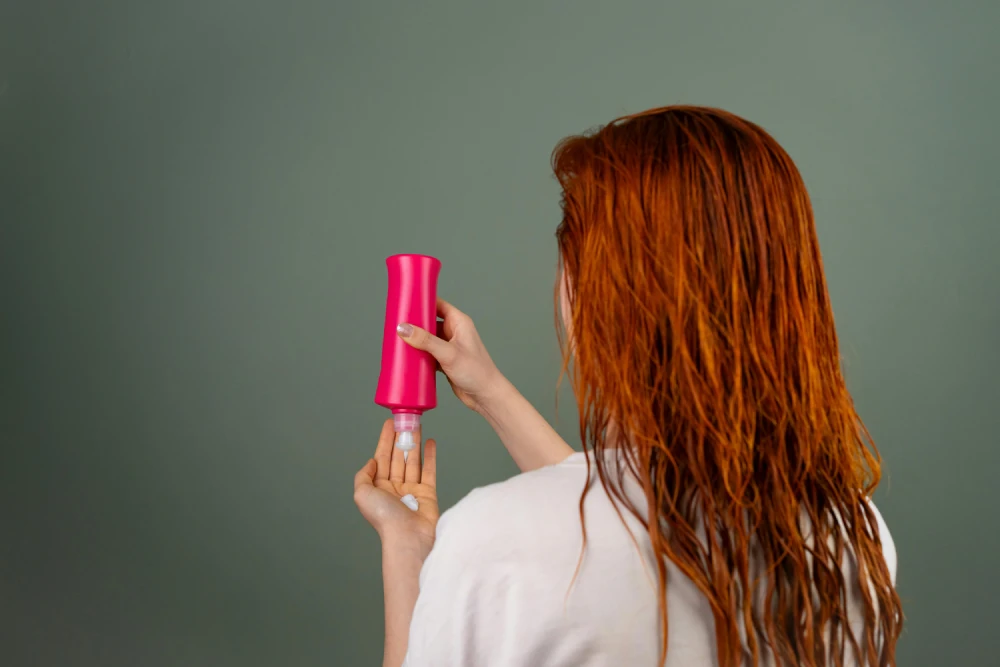
The best hair regeneration treatment depends on what has actually happened to the hair.
Bleach damage, repeated colouring, heat, dryness and mechanical breakage do not all create the same problem, so a treatment that makes one client’s hair feel dramatically better may do very little for another.
That is why “hair regeneration” is most useful as a practical salon term for improving the strength, moisture, flexibility and appearance of damaged hair rather than promising to make a compromised strand completely new again.
Some treatments focus on internal bond support, some restore moisture or protein, while others mainly smooth the surface and improve shine.
This guide explains the best professional options for damaged and over-processed hair in 2026, what each treatment is actually designed to do and how to choose between repair, conditioning, keratin and shine-focused services.
Best Hair Regeneration Treatments at a Glance
| Hair concern | Treatment type | Main goal |
|---|---|---|
| Bleach or chemical damage | Bond-building treatment | Support weakened internal bonds and reduce breakage |
| Weak, over-processed hair | Protein / reconstruction treatment | Improve strength, resilience and feel |
| Dry, rough or coarse hair | Deep conditioning mask | Restore softness, moisture and manageability |
| Frizz and difficult styling | Keratin smoothing treatment | Reduce frizz and make hair easier to manage |
| Dull but otherwise healthy hair | Gloss / glass hair treatment | Improve shine and surface smoothness |
Repair, hydration and smoothing are not the same thing.
If hair is breaking after bleach, it needs a different strategy from hair that is strong but dry, frizzy or simply lacking shine.
What Does Hair Regeneration Actually Mean?
Hair fibres are not living tissue, so a damaged length cannot biologically heal itself in the way skin does.
Professional treatments can nevertheless make a meaningful difference by improving the structure, flexibility, moisture balance and surface condition of the hair.
The realistic goal is therefore to reduce further breakage, improve manageability and make compromised hair feel stronger and look healthier while new hair grows from the scalp.
This distinction matters because no salon mask, keratin service or bond builder should be presented as a cure for medical hair loss or as a way to regenerate new follicles.
If your main concern is sudden shedding, bald patches or progressive thinning rather than damaged lengths, a cosmetic hair treatment is not the same as a medical hair-loss assessment.
1. Bond-Building Treatments for Bleached and Chemically Damaged Hair
Bond-building treatments are usually the strongest starting point when hair has been weakened by bleach, repeated colouring or other chemical processing.
They are designed to support the internal structure of the hair rather than simply coating the surface with softness.
This makes them particularly relevant when the hair feels fragile, breaks more easily than before or has lost resilience after repeated lightening.
Olaplex Treatment
Olaplex is one of the best-known professional bond-building systems and is available at Style Avenue as both an in-salon treatment and a chemical upgrade alongside colour or bleach services.
It is most useful when damage is connected with chemical processing, although the exact treatment should still be chosen according to the condition of the hair.
For clients planning a major lightening service, bond support can form part of the colour strategy rather than being treated only as an emergency treatment afterwards.
2. Protein and Reconstruction Treatments for Weak Hair
Protein-focused treatments are useful when the hair feels weak, soft or structurally tired but does not necessarily need a smoothing service.
They can improve the way damaged hair feels and behaves, especially after repeated colouring or heat exposure.
At Style Avenue, the Milkshake Integrity Treatment is a concentrated protein repair option for weakened and chemically processed hair.
Protein should not automatically be treated as “more is better”, however. Hair that mainly lacks moisture may respond better to conditioning than repeated reconstruction treatments.
Choose Repair When…
The main problem is breakage, weakness, previous bleach or loss of resilience after chemical processing.
Choose Moisture When…
The hair feels dry, coarse, rough or difficult to detangle but is not showing significant structural breakage.
3. Deep Conditioning Treatments for Dry and Rough Hair
Not every damaged-looking head of hair needs intensive bond repair.
Sometimes the dominant problem is dehydration, roughness or loss of softness rather than serious structural weakness.
In that situation, a professional conditioning treatment can make the hair more flexible, smoother and easier to manage without using a stronger repair protocol than necessary.
Style Avenue offers options including the Wella Intense Mask and Olaplex 4-IN-1 Mask for moisture, smoothness, body and shine.
4. Keratin Treatments: Repair or Smoothing?
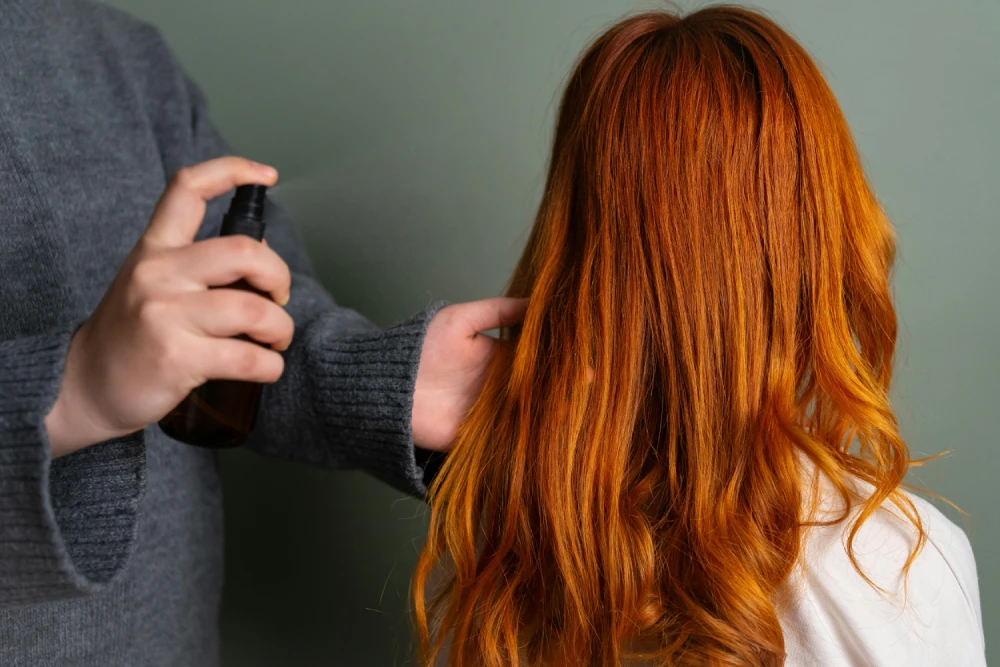
Keratin treatments are often grouped together with regeneration services, but their main strength is usually smoothing and manageability rather than repairing every type of damage.
A keratin blow dry can be a strong choice when the hair is frizzy, coarse, difficult to control or takes too long to style.
It can make the hair look healthier because the surface becomes smoother and shinier, but that does not mean it should replace bond repair when the main issue is bleach-related breakage.
Style Avenue also offers a Botox Keratin Treatment designed to smooth, soften and improve manageability.
If frizz rather than breakage is your main concern, read our guide to keratin blow dry treatments before choosing a repair-focused service.
5. Glass Hair Treatments for Dull Hair
Hair can look unhealthy without being seriously damaged.
If the main complaint is dullness, lack of reflectivity or a rough-looking surface, a shine-focused treatment may create a more visible cosmetic improvement than an intensive reconstruction service.
Glass hair treatments are designed around smoothness and shine rather than rebuilding chemically weakened hair.
That makes them useful before events or whenever the hair feels reasonably strong but lacks polish.
Our guide to the glass hair effect explains how shine-focused treatments differ from structural repair.
Which Treatment Does Damaged Hair Actually Need?
The visible condition of the hair does not always reveal the underlying problem, so the most useful treatment choice begins with diagnosis rather than the treatment name.
Bleached and Breaking
Start with bond support and a conservative colour plan. Conditioning can improve softness, but it should not be the only response to structurally weakened hair.
Dry and Rough
Moisture-focused conditioning is usually more relevant when the hair feels coarse, stiff or difficult to detangle without obvious chemical breakage.
Weak and Over-Processed
Protein or reconstruction treatments may help improve resilience, especially when repeated colour and heat have left the hair feeling tired or soft.
Frizzy but Strong
A smoothing or keratin service may be more useful than intensive repair if the primary goal is reducing frizz and styling time.
Dull but Otherwise Healthy
Choose a shine or gloss-focused treatment when the main issue is appearance rather than breakage, weakness or severe dryness.
Can Severely Damaged Hair Be Fully Repaired?
No treatment should promise to return severely compromised lengths to completely untreated condition.
Professional repair can improve strength, flexibility and appearance, but hair that has already split or broken cannot simply be fused back into its original state.
When damage is advanced, the most effective plan may combine professional treatment, reduced chemical stress, careful home care and gradual trimming of the weakest ends.
This is particularly important after bleach damage because continuing to lighten hair that has already lost too much elasticity can create more breakage than any repair service can compensate for.
Salon Treatment vs Home Hair Mask
Home masks are useful for maintenance, but they are not always equivalent to a professional in-salon treatment.
| Salon treatment | Home mask |
|---|---|
| Selected after professional assessment | Selected by the client based on general hair concerns |
| May use professional-only formulas or protocols | Designed for routine consumer use |
| Can be integrated with colour or chemical services | Primarily supports maintenance between appointments |
| Treatment intensity can be matched to hair condition | Usually provides a fixed level of conditioning or repair |
The strongest routine is often not salon treatment instead of home care, but the correct salon treatment followed by sensible maintenance between appointments.
How Often Should You Have a Hair Regeneration Treatment?
There is no useful fixed schedule that applies to every type of treatment.
Hair that is being regularly bleached may need a different plan from naturally dry hair, and a shine treatment does not need to follow the same frequency as a bond-building service.
Frequency should be based on the treatment used, chemical history, how the hair responds and what other services are planned.
If the hair begins to feel stiff, coated or overloaded, simply adding more treatments may not solve the problem.
How to Protect the Results After Treatment
- Reduce unnecessary high heat. Damaged hair benefits from fewer repeated sources of stress.
- Use heat protection. Apply it before blow-drying, straightening or curling.
- Use products suited to your treatment. A keratin service and a bond-repair programme may require different aftercare.
- Be cautious with overlapping bleach. Previously lightened sections are often the most fragile.
- Trim severely split ends. Treatments can improve feel and manageability, but they cannot permanently rejoin a split fibre.
The Best Treatment Is the One Matched to the Damage
Hair regeneration is not one single service.
Bleached hair may need bond support, weak hair may benefit from reconstruction, dry hair may need moisture, frizzy hair may respond better to smoothing and dull hair may simply need a shine-focused treatment.
Frequently Asked Questions
What is the best treatment for damaged hair?
The best treatment depends on the type of damage. Bond-building treatments are particularly relevant after bleach or chemical damage, while dry hair may respond better to conditioning and weak over-processed hair may benefit from protein or reconstruction.
What is the best salon treatment for bleached hair?
Bond-building treatments such as Olaplex are commonly used when bleach has weakened the hair structure. The treatment should still be selected after assessing breakage, elasticity and the client’s colour history.
Is keratin a repair treatment?
Keratin services primarily improve smoothing, frizz control and manageability. They can make hair look and feel healthier, but they should not automatically replace bond repair when the main concern is chemical breakage.
Can damaged hair be completely repaired?
Professional treatments can improve strength, flexibility, softness and appearance, but severely damaged hair cannot be returned completely to its original untreated state. Split or broken ends may eventually need trimming.
How often should I get a professional hair treatment?
There is no universal schedule. Frequency depends on the treatment, level of damage, chemical history and how the hair responds between appointments.
Does a hair regeneration treatment help hair growth?
Salon repair and conditioning treatments work on the hair and its cosmetic condition. They should not be treated as medical treatments for hair loss, sudden shedding or conditions affecting the hair follicle.
What professional hair treatments does Style Avenue offer?
Style Avenue offers professional treatments including Olaplex, Olaplex 4-IN-1 Mask, Milkshake Integrity Treatment, Wella Intense Mask, keratin services, Botox Keratin Treatment and Glass Hair Shine Treatment, with the treatment selected according to hair condition and the desired result.
Which Hair Repair Treatment Does Your Hair Need?
If your hair feels weak, dry, frizzy or over-processed, the first step is identifying the main problem rather than choosing the treatment with the strongest name.
At Style Avenue in Staines, we can assess your hair’s condition and recommend the most appropriate repair, conditioning, smoothing or shine-focused service.