
Balayage and highlights can both make hair lighter, brighter and more dimensional, but they do not create the same result or grow out in the same way.
The most useful question is not simply “Which technique is better?” but “How bright do I want to be, where do I want the lightness to start, and how often do I realistically want to maintain it?”
Balayage usually creates a softer, more lived-in transition, while traditional highlights can deliver more consistent brightness from closer to the root.
Modern colouring also sits somewhere between those two categories, because a colourist may combine freehand placement, foils, babylights, a money piece or a root melt to build the result rather than relying on one technique alone.
This guide compares balayage vs highlights in 2026, including application, brightness, regrowth, maintenance, suitability for dark or fine hair and when a hybrid approach such as foilyage makes more sense.
Balayage vs Highlights: The Quick Answer
| Feature | Balayage | Traditional highlights |
|---|---|---|
| Placement | Usually softer and more graduated through the lengths | Usually woven more consistently from closer to the root |
| Application | Freehand painting or a balayage-led hybrid technique | Woven sections isolated in foils |
| Brightness | Soft to bright depending on technique and starting base | Often better for more uniform root-to-end brightness |
| Regrowth | Usually softer and less defined | Usually more visible as the root grows |
| Best for | Lived-in dimension and softer maintenance | Brighter, more structured lightness |
| Can be combined? | Yes | Yes |
Neither technique is automatically better or healthier.
The condition of your hair, previous colour, strength of the lightener, processing time and amount of hair being lightened matter more than the technique name on its own.
What Is Balayage?
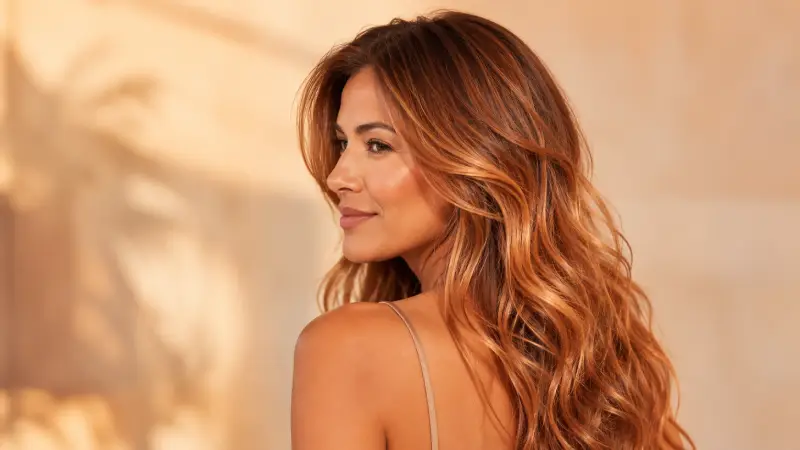
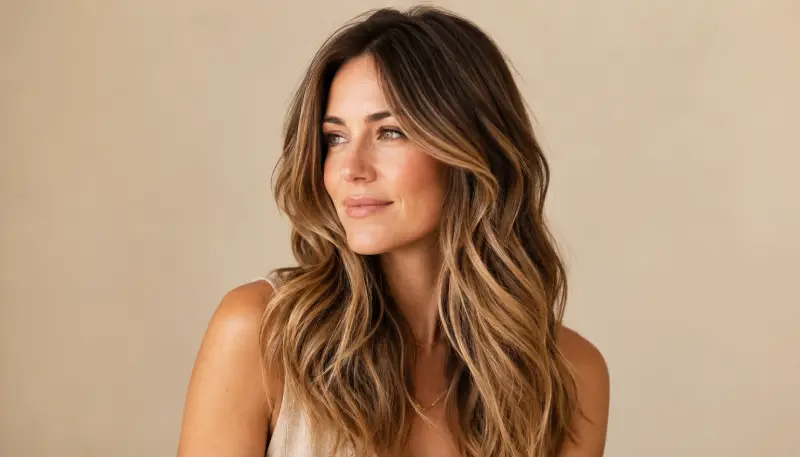
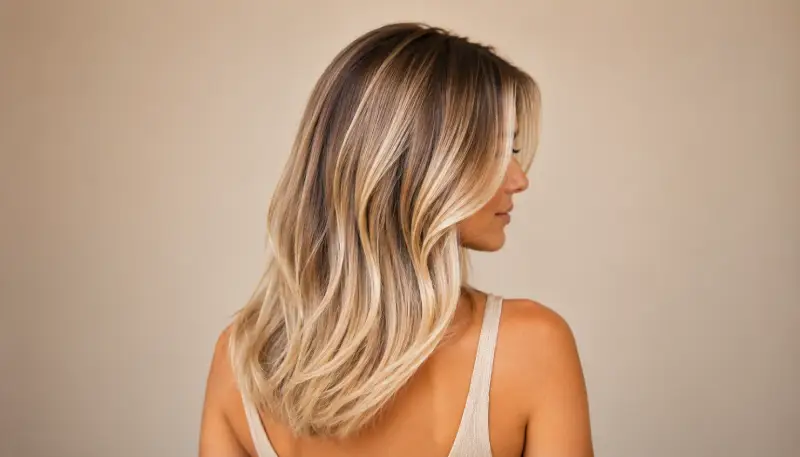
Balayage is a placement technique in which the colourist paints lightener or colour onto selected areas of the hair to create a softer, graduated effect.
The word comes from the French verb meaning “to sweep”, which describes the freehand painting associated with the technique.
The brightest areas are often concentrated through the mid-lengths, ends and around the face, while the root area is kept softer so the result grows out without a hard horizontal line.
That does not mean every modern balayage appointment is performed completely without foils.
Colourists may use foils or other isolation methods when more lift is needed, especially on darker bases, while still keeping the placement and final grow-out balayage-inspired.
Who Is Balayage Best For?
Balayage is particularly useful when you want dimension without creating a strong line of regrowth close to the scalp.
- You want softer grow-out. Keeping the root more blended usually makes new growth less obvious.
- You want dimension rather than uniform blonde. Balayage can preserve depth between lighter sections.
- You wear your hair with movement. Waves, layers and textured finishes can show off the variation in placement particularly well.
- You prefer fewer major lightening appointments. A lived-in placement can often tolerate more visible growth before the whole pattern needs rebuilding.
What Are Traditional Highlights?
Traditional highlights are created by weaving selected strands, applying lightener and isolating those sections in foil.
Because the placement can begin close to the root and be distributed more consistently throughout the head, highlights are particularly useful when the goal is noticeable overall brightness.
They can be extremely fine and subtle or deliberately stronger, so “highlights” does not automatically mean chunky stripes.
Babylights, Money Pieces and Foilyage
Babylights
Very fine woven highlights used to create delicate brightness and softer dimension. They can be especially useful around the hairline or on clients who want less visible contrast.
Money Piece
Brighter placement concentrated around the face. It can be used with either a balayage or highlight plan rather than treated as a completely separate colour technique.
Foilyage
A hybrid approach that keeps the softer placement associated with balayage but uses foil to increase lift where needed. It can be useful on darker bases or when the client wants a brighter result without losing a lived-in grow-out.
Balayage vs Highlights: What Is the Real Difference?
The biggest difference you notice after leaving the salon is usually not the brush or foil itself. It is where the brightness begins and how the colour grows out.
Brightness
Traditional highlights are often the more direct route when you want brighter lightness distributed from close to the root through the lengths.
Balayage can still become very bright, but achieving significant lift on a dark base may require foils or a foilyage approach rather than open-air painting alone.
Grow-Out
Balayage usually keeps more natural depth close to the root, so the transition into new growth is softer.
Highlights placed close to the scalp create more immediate root brightness, which also means the contrast with natural regrowth can become visible sooner.
Dimension
Balayage intentionally leaves areas of depth between lighter sections.
Highlights can also be dimensional, but a full-head foil service generally produces a more evenly distributed pattern of lightness.
Maintenance
Maintenance should be discussed as a plan rather than a fixed calendar.
A very soft balayage may grow comfortably for months, while a bright face frame or toner may need refreshing sooner.
Likewise, someone who likes visible root contrast can leave highlights longer than someone who wants the blonde to remain close to the scalp.
Ask two separate maintenance questions: when will the tone need refreshing, and when will the lightening placement need rebuilding?
A toner or gloss appointment is not necessarily the same thing as repeating a full balayage or full head of highlights.
Which Should You Choose Based on Your Hair Goal?
I Want Natural, Lived-In Colour
Balayage is usually the stronger starting point because the placement can preserve more depth and create a softer root transition.
I Want to Look Significantly Blonder
Highlights or foilyage may make more sense when the goal is stronger, more consistent brightness rather than subtle dimension.
I Want Less Visible Regrowth
A softer balayage placement, root melt or combination technique can reduce the contrast between the coloured hair and new growth.
I Want Brightness Around My Face
A money piece, face-framing highlights or a combination of foils and balayage can concentrate lightness where it makes the most visual impact.
I Have Dark Hair
Balayage can create warm, dimensional lightness, while foilyage or highlights may be needed if the target is substantially brighter than the natural base.
I Have Fine Hair
Fine babylights or carefully placed balayage can both work. The colourist should consider density through the ends so the finished pattern does not make the hair look visually thinner.
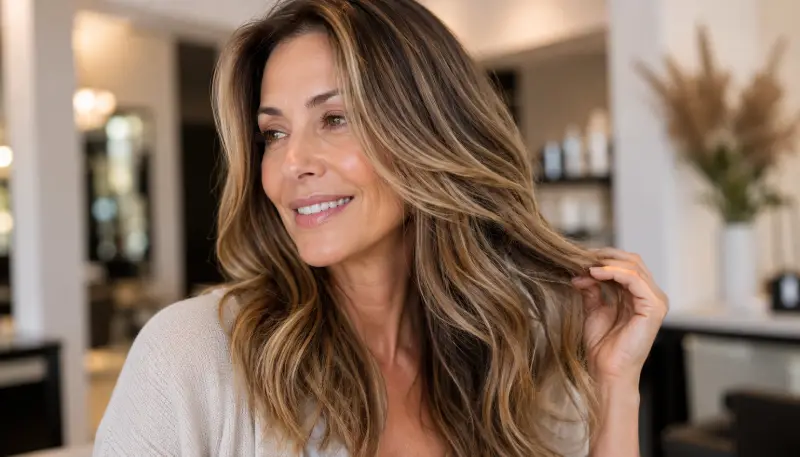
The colour plan should be built around your starting shade, previous colour and desired level of brightness, which is why our hair colouring services in Staines include multiple highlighting and dimensional-colour options rather than treating every client as the same booking.
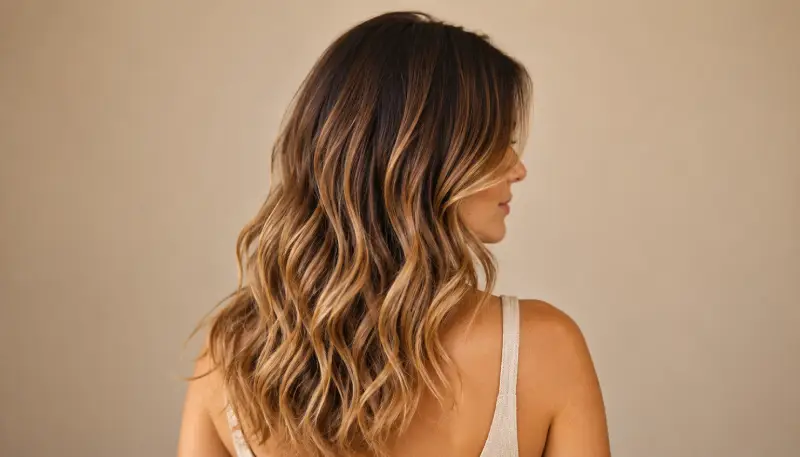
Balayage or Highlights for Dark Hair?
Dark hair can take either technique, but the desired level of lift matters.
If you want caramel, toffee or subtle sunlit dimension, balayage can preserve depth and keep the overall result relatively soft.
If you want significantly brighter blonde pieces, foils may be needed to create enough lift, which is where foilyage becomes particularly useful.
Previous permanent dark colour also changes the plan because artificial pigment can behave very differently from natural brunette hair during lightening.
If your starting point is very dark or previously coloured, our guide to going from black hair to platinum blonde explains why colour history and hair condition can limit how far the hair should be lightened in one visit.
Does Balayage Damage Hair Less Than Highlights?
Not necessarily.
Both balayage and highlights can involve lightener, and both can damage hair if the service is pushed beyond what the hair can tolerate.
A softer balayage may process less total hair or need less frequent rebuilding, but that does not make every balayage service automatically gentler than every highlight service.
Hair condition depends on factors including the starting strength, previous chemical history, degree of lift, product choice, processing and whether previously lightened sections are overlapped.
Technique Does Not Decide Damage on Its Own
A carefully planned highlight service can be more appropriate than forcing a dark base through an aggressive balayage session simply because balayage has a reputation for being “gentler”.
The safest option is the technique that reaches the agreed result without exceeding what the hair can reasonably tolerate.
Can You Combine Balayage and Highlights?
Yes, and many modern colour results are created by combining techniques.
A colourist might use foils around the hairline and parting for extra brightness, then freehand placement through the lengths to keep the rest of the result softer.
A root melt can then reduce contrast between the natural base and lighter sections.
The benefit is control: brightness can be concentrated where it matters while preserving a more forgiving grow-out elsewhere.
How Balayage and Highlights Fit 2026 Colour Trends
Current colour trends are less about choosing one named technique and more about creating believable dimension.
Warm brunette, copper, auburn, softer blondes and modern ombré can all be built with balayage, foils or a combination depending on the starting colour and target brightness.
Our summer hair trends for 2026 show how softer dimensional colour is being paired with bobs, bixies, face-framing layers and more natural texture this season.
How to Prepare for a Balayage or Highlights Appointment
A strong colour consultation starts with accurate information rather than simply choosing a photograph from social media.
- Bring two or three reference images. Show both the amount of brightness and the tone you like.
- Explain your full colour history. Box dye, previous bleach, toners and colour removers can all affect the plan.
- Say how often you want to maintain the result. A beautiful colour that requires appointments you do not want will quickly become frustrating.
- Discuss your normal hairstyle. Placement can look different when hair is worn straight, wavy, tied back or parted in another direction.
- Be realistic about the starting point. Very dark or repeatedly coloured hair may need more than one stage to reach a bright blonde result safely.
For a fuller pre-appointment checklist, see our guide to the do’s and don’ts before hair colouring.
How to Look After Balayage or Highlights
Once the hair has been lightened, the priority is preserving both tone and condition.
- Follow the aftercare recommended for your colour. Blonde, brunette and warmer tonal results may need different products.
- Use heat protection. Repeated high heat adds another source of stress to already-lightened lengths.
- Condition according to the hair’s needs. Dryness and structural weakness are not the same problem.
- Book tone refreshes when necessary. A gloss or toner can refresh the finish without rebuilding the entire lightening pattern.
- Avoid overlapping lightener at home. Previously processed sections can be more fragile than darker regrowth.
If the lengths feel dry, weak or over-processed after previous colouring, our guide to professional hair treatments explains when bond repair, conditioning, smoothing or shine-focused care is more appropriate.
Frequently Asked Questions
What is the main difference between balayage and highlights?
Balayage usually uses softer, freehand placement to create graduated dimension, while traditional highlights use woven sections isolated in foil and often create more consistent brightness from closer to the root.
Which lasts longer, balayage or highlights?
Balayage usually has a softer grow-out because more natural depth is preserved near the root. That can allow longer gaps between major lightening appointments, although toner, gloss or face-framing pieces may need refreshing sooner.
Which is better for dark hair, balayage or highlights?
Both can work. Balayage is useful for softer caramel or dimensional lightness, while highlights or foilyage may be more appropriate when a dark base needs stronger lift and brighter blonde pieces.
Is balayage less damaging than highlights?
Not automatically. Both techniques may use lightener. Hair condition depends more on the starting strength, previous colour, amount of lift, processing and how much previously lightened hair is reprocessed.
Can balayage and highlights be used together?
Yes. Foils can be used where stronger brightness is needed, while balayage placement can keep the lengths softer and more dimensional. A root melt or toner may also be used to refine the final result.
Is balayage good for short hair?
Yes. Balayage can work on bobs, lobs and shorter shapes when the placement is adapted to the haircut. Shorter hair simply gives the colourist less length in which to create the transition.
What is foilyage?
Foilyage combines balayage-style placement with foil isolation to create more lift. It is particularly useful when a client wants a lived-in result but the starting base needs stronger lightening than open-air balayage is likely to provide.
Can I switch from highlights to balayage?
Yes. A colourist can gradually soften an existing highlight pattern using techniques such as root melting, lowlights or new balayage placement, depending on the amount of existing lightness and regrowth.
How do I choose between balayage and highlights?
Start with the result rather than the technique name. Decide how bright you want to be, where you want the lightness to begin, how soft you want the grow-out and how often you realistically want to maintain the colour.
Balayage or Highlights? Start With the Result You Want
Bring reference photos and tell us how bright you want to go, how often you want to maintain your colour and what previous colour is already in your hair.
At Style Avenue in Staines, we can recommend balayage, highlights, foilyage or a combination based on your starting colour, condition and desired finish.