
Men’s hair trends in 2026 are moving away from rigid, over-styled shapes and towards cuts that work with natural texture, movement and the way the hair actually grows.
In the salon, the most useful reference photo is rarely the one with the most dramatic fade or the highest volume; it is the one that can be adapted to your hair density, face shape and how much time you want to spend styling it each morning.
That is where many trend-led cuts go wrong: the haircut may look good in a photo, but the maintenance, texture or proportions do not suit the person wearing it.
The strongest men’s haircut trends for 2026 are therefore not completely new styles. They are more wearable versions of familiar cuts, with softer transitions, better texture and more room for personalisation.
Below, we look at the men’s hairstyles shaping 2026, who they tend to suit, what they require day to day and what to ask for when you are ready for a change.
Men’s Hair Trends 2026 at a Glance
| Style | Best for | Daily styling | Overall feel |
|---|---|---|---|
| Textured / French crop | Straight, wavy or thick hair | Low | Clean, modern, textured |
| Soft taper or fade | Most hair types | Low to medium | Sharp without looking severe |
| Curtain fringe / centre part | Medium-length straight or wavy hair | Medium | Relaxed, 1990s-inspired |
| Modern mullet / soft mullet | Wavy, curly or medium-density hair | Medium | Textured, expressive, less rigid |
| Buzz cut | Men wanting minimal styling | Very low | Clean, direct, low-maintenance |
| Curly fringe | Naturally curly or wavy hair | Low to medium | Natural, textured, contemporary |
| Pompadour / sweep-back | Medium to thick hair with enough top length | Medium to high | Polished, structured, classic |
The most important trend for 2026 is personalisation.
A fade, crop or fringe should be adjusted to your hairline, density, natural movement and maintenance preference rather than copied exactly from a reference image.
Textured Crop and French Crop
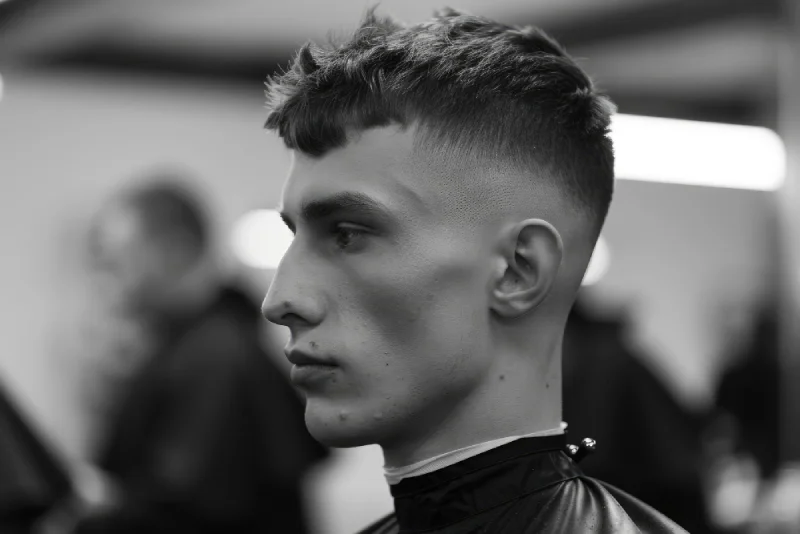
The textured crop remains one of the most wearable men’s haircut trends because it delivers shape without demanding a complicated routine.
The 2026 version is generally softer than the very sharp crops that dominated a few years ago. The top carries more movement, the fringe can sit slightly forward or off-centre, and the sides are often blended with a taper or lower fade rather than cut into an extreme contrast.
A French crop follows a similar idea but usually has a more defined forward fringe. Texture through the top keeps it from looking too heavy or flat.
Who Does a Textured Crop Suit?
It works particularly well for men with straight, wavy or thicker hair because removing weight and adding texture helps the shape sit naturally.
It can also be useful when the hairline is becoming less even, because the forward direction of the fringe can make the front feel more balanced without relying on a dramatic style.
What to ask for: describe how much fringe you want to keep, whether you prefer a taper or fade at the sides, and whether you want a matte, natural finish or something more defined.
Soft Tapers and Modern Fades
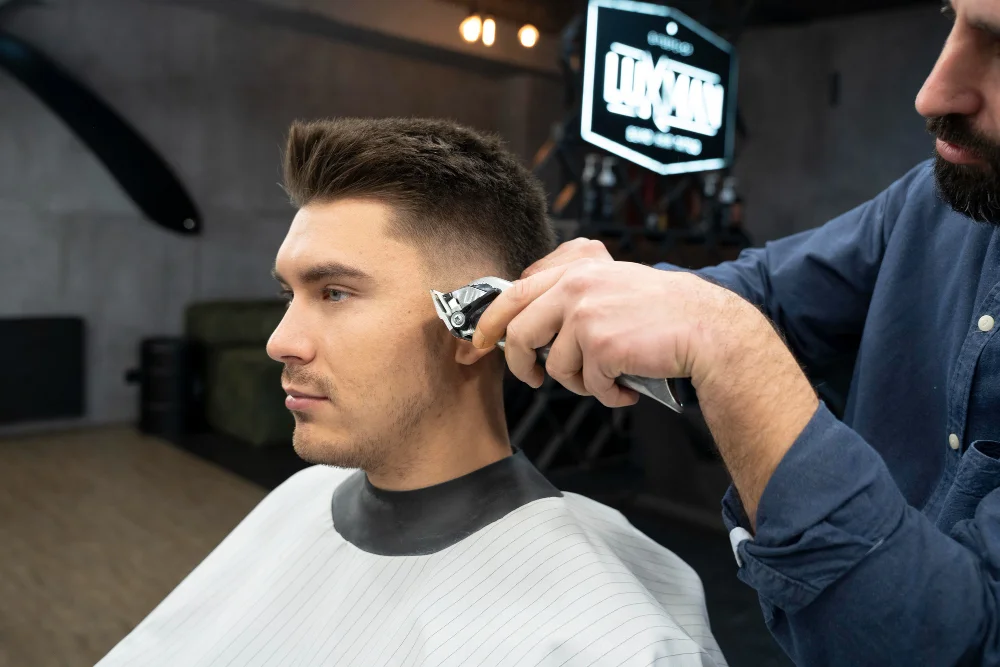
Fades are still a core part of men’s cutting, but the direction in 2026 is less about taking every cut as high and tight as possible.
Low fades, taper fades and softer blends give the haircut a cleaner outline while keeping more weight and movement around the head.
This matters because a fade is not really the hairstyle on its own. It is the transition around the sides and back, and it needs to support whatever is happening on top.
Low, Mid or High Fade?
- Low fade: keeps more weight around the sides and usually creates the softest, most versatile result.
- Mid fade: creates more contrast while still working with a wide range of top lengths.
- High fade: removes more weight from the sides and creates a stronger, more graphic shape.
- Taper fade: concentrates the shortest area around the neckline and sideburns rather than fading the entire side very high.
A trend only works when it is adapted to hair density, texture and face shape, which is why our men’s haircuts and styling in Staines are built around the individual rather than a copied reference photo.
Curtain Fringe and Centre Part
The return of 1990s-inspired men’s hair has made the curtain fringe and centre part relevant again, but the modern version is softer and less rigid.
Instead of creating a perfectly symmetrical parting and forcing the hair into place, the cut uses layers and natural movement so the front can fall away from the face without looking over-styled.
This style usually needs enough length through the top and front to create movement, so it is not an instant transition from a very short crop.
Who Does a Curtain Hairstyle Suit?
It tends to work best on straight or wavy hair with enough density to carry a medium-length shape.
Fine hair can still work, but the cut needs to preserve enough weight so the front does not separate too much or collapse flat.
Modern Mullet and Grown-Out Texture
The modern mullet has become much more wearable than the hard-disconnected versions associated with older interpretations of the style.
In 2026, the shape is often softer through the sides, with more texture and a gradual change into the longer back.
The result can feel closer to a shag or grown-out layered cut than a traditional mullet, especially on wavy or curly hair.
The main friction point is growth. This is not the best choice if you want every part of the haircut to stay short and neat between appointments.
It works better for someone comfortable with movement, texture and a haircut that changes slightly as it grows.
Buzz Cut
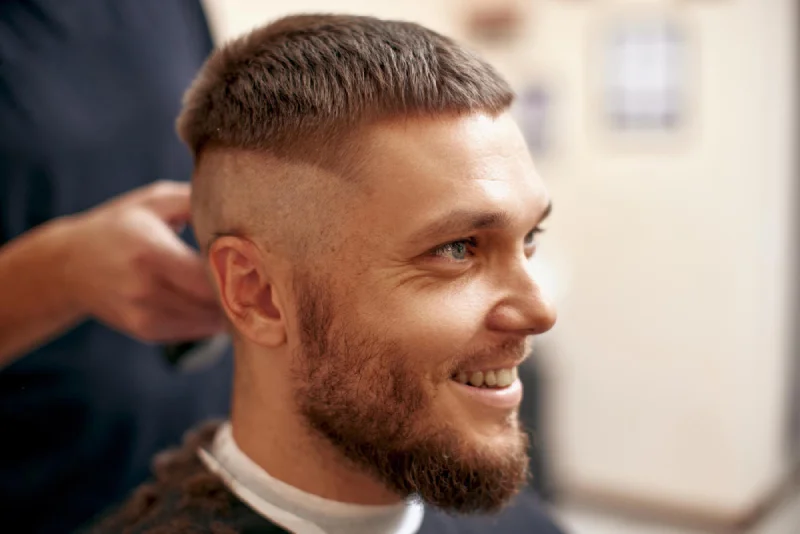
The buzz cut remains one of the simplest men’s hairstyles, but simple does not mean that every buzz cut should be the same length all over.
The shape of the hairline, head and facial features determines whether a uniform buzz, a slightly longer top or a faded version will look more balanced.
Its biggest advantage is daily maintenance: once the cut is right, very little styling is required.
The trade-off is that a short cut shows the outline of the head and hairline more clearly, so the exact length matters more than many people expect.
Curly Fringe and Natural Texture
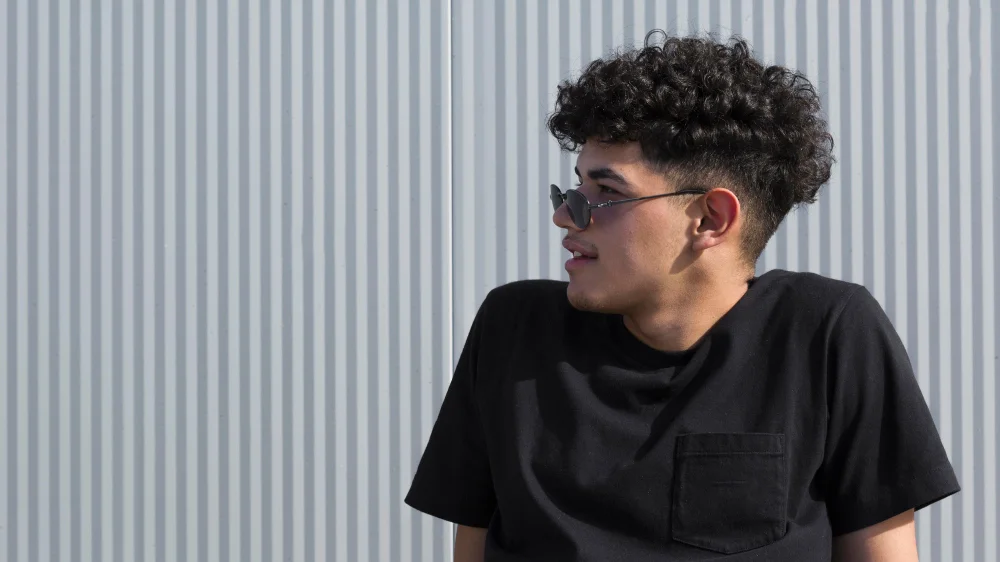
One of the strongest directions in men’s hair is working with natural curl and wave instead of trying to remove it from the style.
A curly fringe keeps enough length at the front to show the curl pattern while the sides and back are shaped to control bulk and maintain proportion.
The exact result depends heavily on shrinkage, density and curl pattern, which is why curly hair should not be cut according to wet length alone.
How Do You Style a Curly Fringe?
The goal is usually definition without stiffness.
A lightweight curl cream, leave-in product or soft styling cream can help reduce frizz and support the natural pattern without turning the curls into a hard, fixed shape.
Pompadour and Sweep-Back
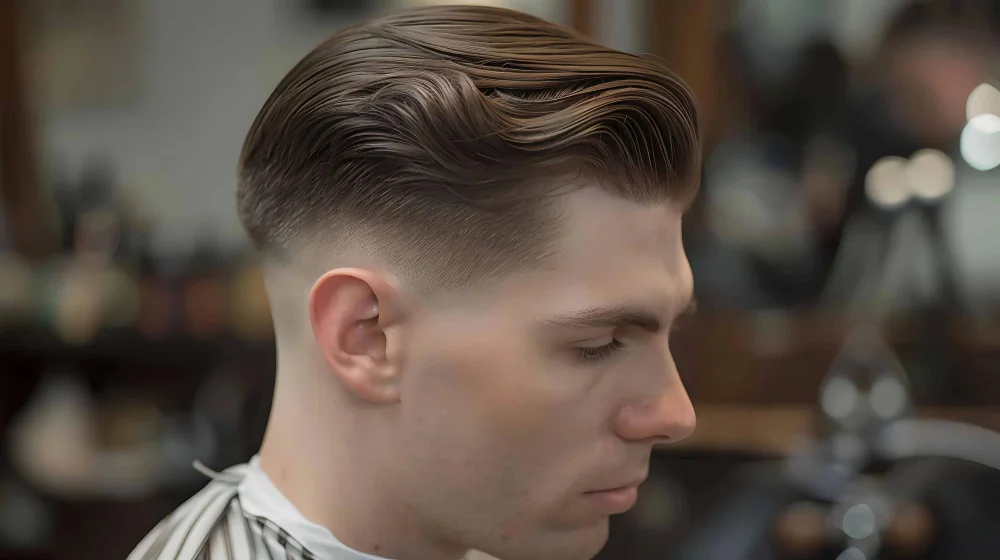
The pompadour has not disappeared, but in 2026 the more wearable version often sits closer to a sweep-back than the very high, sculpted pompadours of previous years.
The top still needs enough length and density to move away from the face, but the finish can be softer, less shiny and less rigid.
This is a higher-maintenance choice than a crop or buzz cut because the haircut alone does not create the finished shape.
Blow-drying direction and the right styling product make a visible difference to volume and hold.
Which Men’s Haircut Suits You?
The best haircut is the one that still works after you leave the salon, not just the one that photographs well immediately after styling.
Fine Hair
Keep enough weight through the top to avoid exposing too much scalp. Softer crops, controlled fringes and carefully blended tapers usually work better than excessive thinning.
Thick Hair
Texture and internal weight removal can make a major difference. Crops, tapers and layered medium-length cuts help reduce bulk without making the style feel flat.
Curly or Wavy Hair
Choose a shape that uses the natural pattern. Curly fringes, softer mullets and layered medium-length cuts can work especially well when shrinkage is considered during cutting.
Receding Hairline
Forward texture, a French crop or a deliberately short buzz can often create a more balanced result than trying to hide the hairline with excessive length.
Low-Maintenance Routine
If you do not want to blow-dry or use several products every morning, choose the haircut around that reality. A textured crop, buzz cut or softer taper is usually easier to recreate than a high-volume pompadour or longer sweep-back.
How to Ask for the Haircut You Actually Want
A photo helps, but the most useful salon consultation goes beyond showing one image and asking for exactly the same cut.
- Show two or three references. This helps identify the elements you like rather than treating one haircut as a fixed template.
- Explain your normal routine. Tell your stylist whether you use a hairdryer, styling product or nothing at all.
- Say what you do not like. Too much weight around the ears, a fringe falling into the eyes or a fade that grows out too quickly are useful details.
- Talk about maintenance. A cut that needs reshaping every few weeks may not suit someone who prefers longer gaps between appointments.
- Let the shape be adapted. The same haircut should not be reproduced identically on different hairlines, densities and face shapes.
One Reference Photo, Two Different Haircuts
The reference image shows the direction, but your own hair determines the final cut.
Density, growth pattern, texture, hairline and daily styling routine all change how the same trend should be interpreted.
Men’s Hair Products and Styling
The product should support the haircut rather than compensate for a shape that does not naturally work.
- Matte clay or paste: useful for textured crops and shorter styles where separation and a natural finish matter.
- Styling cream: better for softer movement, waves and medium-length cuts that should remain touchable.
- Pomade: useful when you want more control, definition or shine in a sweep-back or classic style.
- Texture spray: can help create movement and grip in longer or softer styles without a heavy finish.
- Curl cream: supports natural curl definition and can reduce frizz without creating a rigid cast.
Once the cut is chosen, the next step is matching it with hair products for current men’s styles so the shape can be recreated between salon visits.
How Often Should Men Get a Haircut?
The answer depends more on the shape than on gender.
Short fades and very precise outlines show growth quickly, while textured crops, softer tapers and medium-length layered cuts usually tolerate more growth before the shape feels untidy.
If you want the haircut to look consistently sharp, book around how quickly the edges and proportions change rather than waiting until the entire style has lost its shape.
Why Men’s Hair Trends Look Different Now
Many of today’s styles are updated versions of older cuts rather than completely new inventions.
Curtains, crops, mullets, pompadours and fades have all existed before, but the current versions use different proportions, softer transitions and more natural texture.
Frequently Asked Questions
What men’s haircuts are trending in 2026?
The strongest direction is towards texture and personalisation, with textured and French crops, softer tapers and fades, curtain styles, modern mullets, buzz cuts and natural curly shapes all remaining relevant.
Are skin fades still popular in 2026?
Yes, but not every modern haircut needs a high or very tight skin fade. Lower fades and tapers are increasingly useful because they create a clean outline while keeping more softness and weight around the head.
What is the easiest men’s haircut to maintain?
A buzz cut is usually the simplest day to day, while a textured crop is a good compromise for men who want more shape and movement without a long styling routine.
What haircut is best for thick men’s hair?
Thick hair usually responds well to cuts that remove internal bulk while preserving shape, such as textured crops, layered medium-length styles and tapers that keep the sides controlled without making the top feel disconnected.
What haircut works with a receding hairline?
In practice, deliberately working with the hairline often looks better than trying to hide it. French crops, forward texture and shorter buzz cuts can all create a more balanced result depending on density and recession pattern.
Should I take a photo to my haircut appointment?
Yes, but two or three references are often more useful than one. They help your stylist identify the fringe, length, texture and finish you like while adapting those elements to your own hair.
How do I choose between a fade and a taper?
A fade usually creates a more visible transition through the sides, while a taper concentrates the shortest areas around the sideburns and neckline. The better choice depends on how much contrast you want and how softly you want the haircut to grow out.
Ready for a New Men’s Haircut?
Bring your reference photos and tell us how you normally style your hair, how often you want to maintain the cut and what you want to change about your current shape.
At Style Avenue in Staines, we can adapt the trend to your hair type, density, face shape and everyday routine rather than simply copying the photo.

